1. What Causes Gum Bleeding?
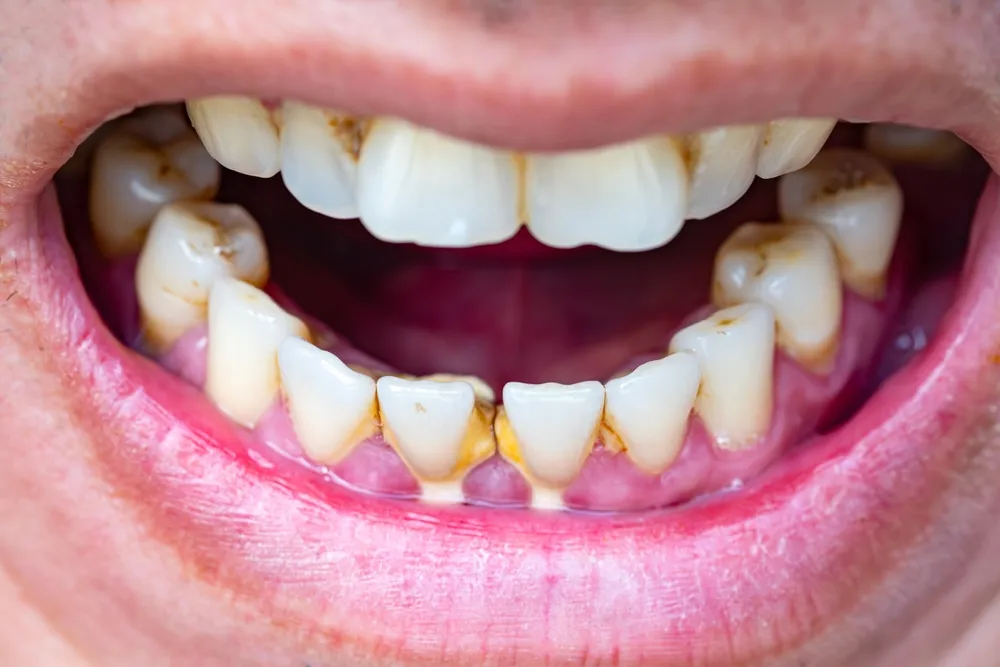
1. Poor Oral Hygiene
Inadequate brushing and flossing can lead to plaque buildup along the gumline. Over time, this can irritate the gums, causing inflammation and bleeding.
2. Gingivitis
Gingivitis is the earliest stage of gum disease, characterized by red, swollen gums that bleed easily. If left untreated, it can progress to periodontitis, a more severe gum disease.
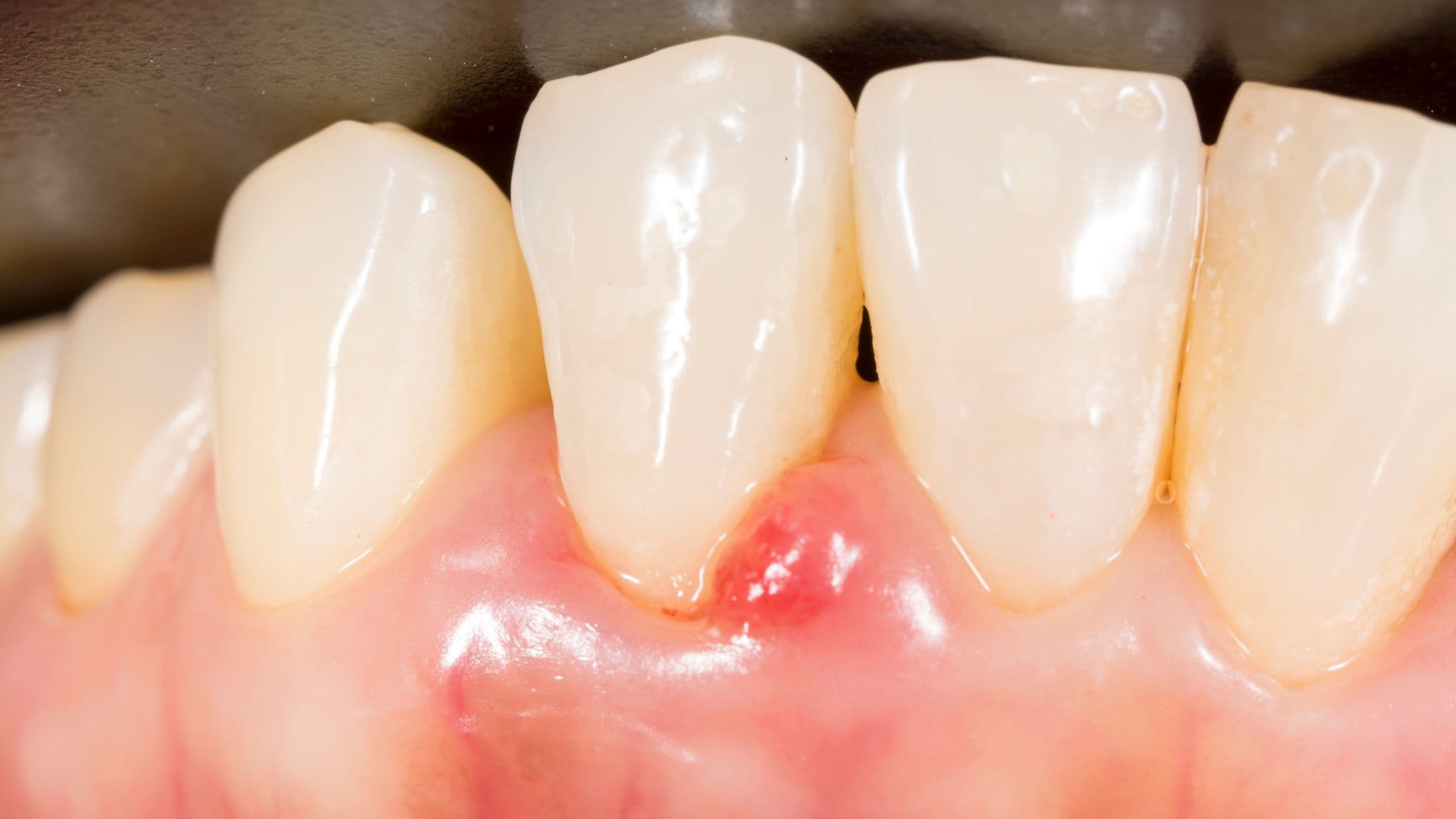

3. Aggressive Brushing
Using a hard-bristled toothbrush or brushing too hard can damage the delicate gum tissues, leading to bleeding.
4. Vitamin Deficiency
A lack of essential vitamins like Vitamin C and Vitamin K can weaken gum health, increasing the risk of bleeding.


5. Hormonal Changes
Pregnancy, menstruation, or menopause can cause hormonal fluctuations, making gums more sensitive and prone to bleeding.
6. Medical Conditions
Certain health issues like diabetes, leukemia, or blood disorders can lead to gum bleeding. Medications like blood thinners may also contribute.

2. How to Prevent Gum Bleeding
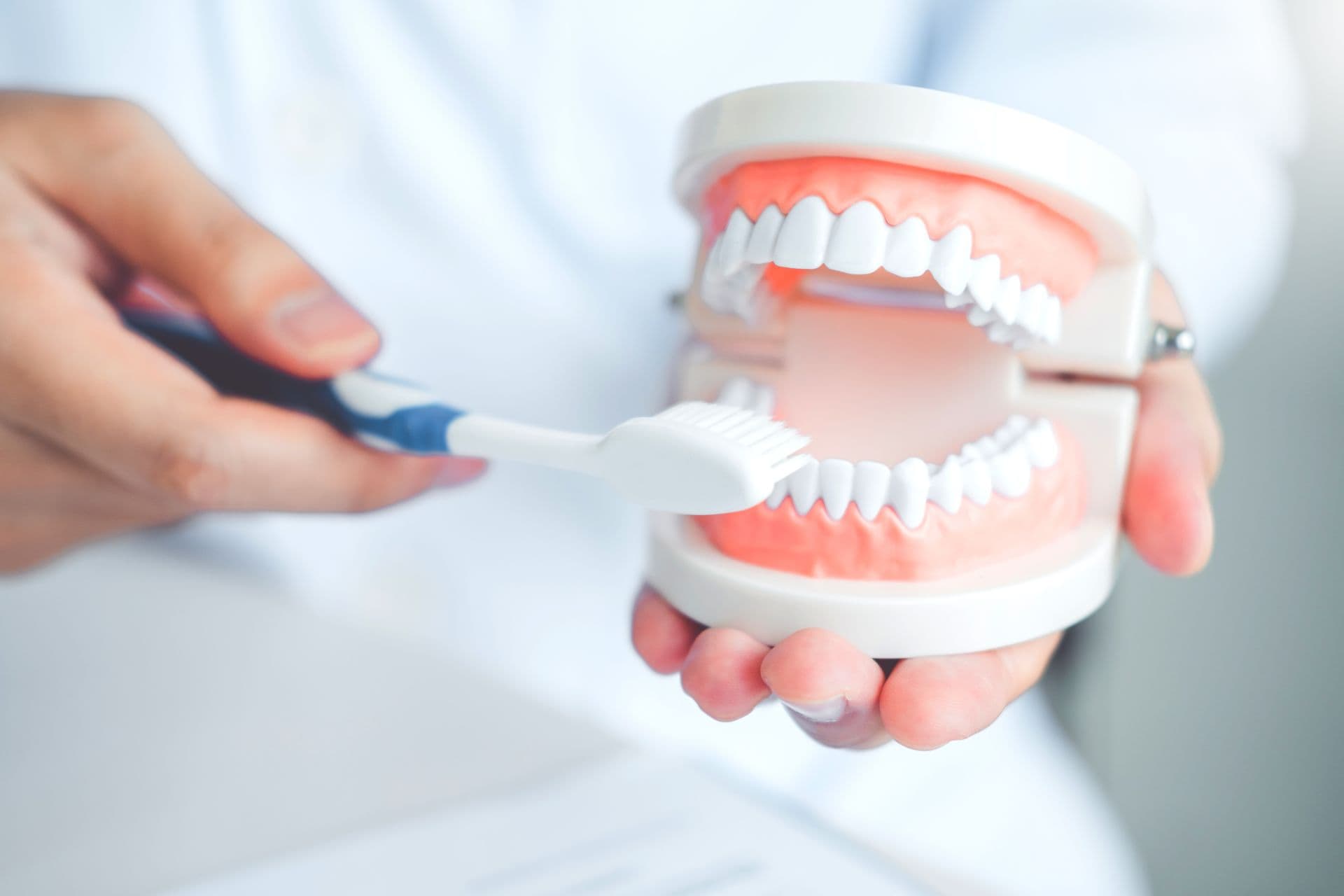
1. Maintain Proper Oral Hygiene
Brush your teeth twice daily using a soft-bristled toothbrush and fluoride toothpaste. Don't forget to floss daily to remove plaque and food particles between teeth.
2. Use the Right Technique
Avoid brushing too aggressively. Use gentle, circular motions to clean your teeth and gums effectively.


3. Rinse with Antibacterial Mouthwash
An antibacterial mouthwash can help reduce plaque and prevent gum infections, keeping your gums healthy.
4. Eat a Balanced Diet
Incorporate foods rich in Vitamin C (citrus fruits, bell peppers) and Vitamin K (leafy greens) to strengthen your gums.


5. Visit Your Dentist Regularly
Schedule regular dental check-ups and cleanings to detect and treat gum problems early.
6. Avoid Smoking
Smoking weakens your immune system and slows gum healing, increasing the risk of gum bleeding and disease.

Treatment Options for Gum Bleeding
- Scaling and Root Planing: Professional cleaning removes plaque and tartar from below the gumline, promoting gum healing.
- Medicated Mouthwashes and Toothpaste: Dentists may recommend products specifically designed to combat gum problems.
- Lifestyle Adjustments: Quitting smoking and improving your diet can significantly enhance gum health.
- Treat Underlying Conditions: Addressing medical conditions or adjusting medications may reduce gum bleeding.
When to See a Dentist
If gum bleeding persists despite improved oral hygiene, it's essential to consult a dentist. Persistent bleeding may indicate serious gum disease or an underlying health issue requiring professional attention.
Conclusion
Gum bleeding is often a warning sign that your oral hygiene needs improvement or that you might have an underlying health issue. By adopting preventive measures and seeking timely dental care, you can protect your gums and maintain a healthy smile.
At Radhe Multispeciality Dental Clinic & Implant Center in Gandhinagar, Gujarat, we specialize in diagnosing and treating gum problems. Don't wait for the problem to worsen – visit us today for expert care!



Concerned About Your Gum Health?
Our expert team is here to help. Schedule a consultation with Dr. Harshit Patel for personalized dental advice.